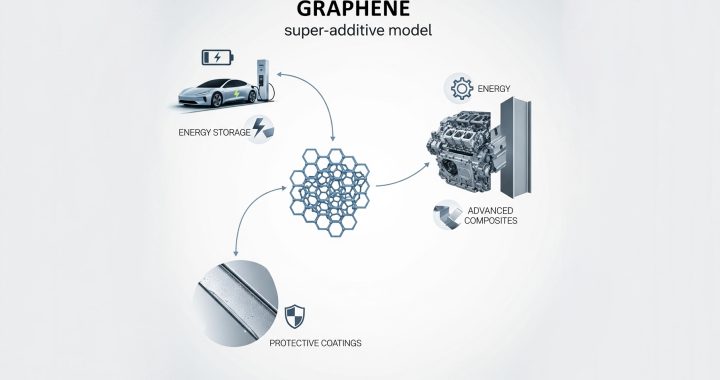
Graphene is at a critical inflection point, moving from a material of immense scientific promise to a viable commercial reality. The market is demonstrating a rapid growth trajectory, driven not by a single “killer application” but by graphene’s versatility as a performance-enhancing “super-additive.” This transition is being enabled by a recent wave of innovative, cost-effective, and scalable manufacturing methods that directly address the historical barriers of high cost and limited production volume. While a lack of standardized market definitions leads to significant data variability, all forecasts consistently point to robust, double-digit growth.
Continue reading
Category Archives: NanoMaterials
HydroGraph Graphene the Foundation of New Biosensor for Lung Cancer Test
HydroGraph a leading producer of ultra-pure graphene, today announced its role in a new lung cancer screening product underpinning a collaboration between Hawkeye Bio (Torrance, California) and Ease Healthcare (Pasadena, California). Under a new commercialization agreement, Ease Healthcare will market the LEAP (Lung Enzyme Activity Profile) early detection test that incorporates HydroGraph’s patented fractal graphene.
Graphene in Canadian Concrete: Pioneering Sustainable Construction
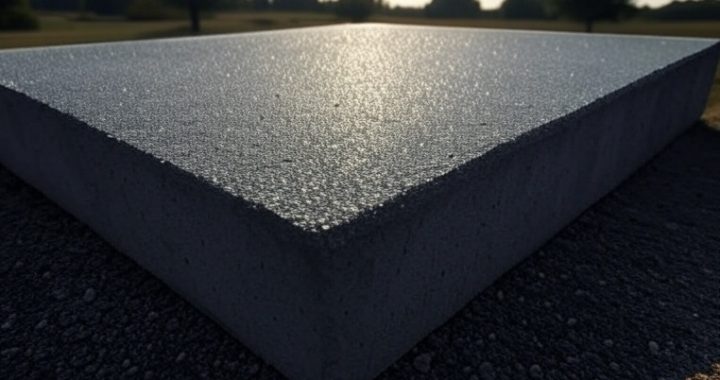
Graphene, including graphene oxide (GO), graphene nanoplatelets (GNPs), and other derivatives, is a promising additive for cement and concrete due to its ability to enhance mechanical strength, durability, and sustainability while reducing carbon emissions. In Canada, several companies and research initiatives are exploring graphene’s potential in cementitious materials, driven by the country’s focus on sustainable construction and reducing the concrete industry’s 8% share of global CO2 emissions. Below are the key players and efforts based on available information:
Could Canada’s Graphene-Powered Batteries Charge the Future of Electric Vehicles?
As the world races toward a cleaner, electrified future, electric vehicles (EVs) are at the forefront of sustainable transportation. Yet, the success of EVs hinges on one critical component: the battery. Current lithium-ion batteries, while effective, face challenges like long charging times, limited range, and environmental concerns tied to mining and disposal. Enter graphene—a single layer of carbon atoms arranged in a honeycomb lattice, hailed as a “wonder material” for its strength, conductivity, and lightweight properties.
Continue reading
From Biomass to Biochar, Sequestering Carbon Dioxide and Carbon Credits
The Carbonity plant in Quebec is the largest biochar production facility in North America. The project is financially supported by the Quebec and Canadian governments and will help sequester 75,000 tonnes of carbon dioxide per year when fully operational. We went to the Microsoft Ai chatbot to ask more questions about Biochar and operations in North America.